Recitals Lecture-Recitals Lectures Masterclasses Workshops
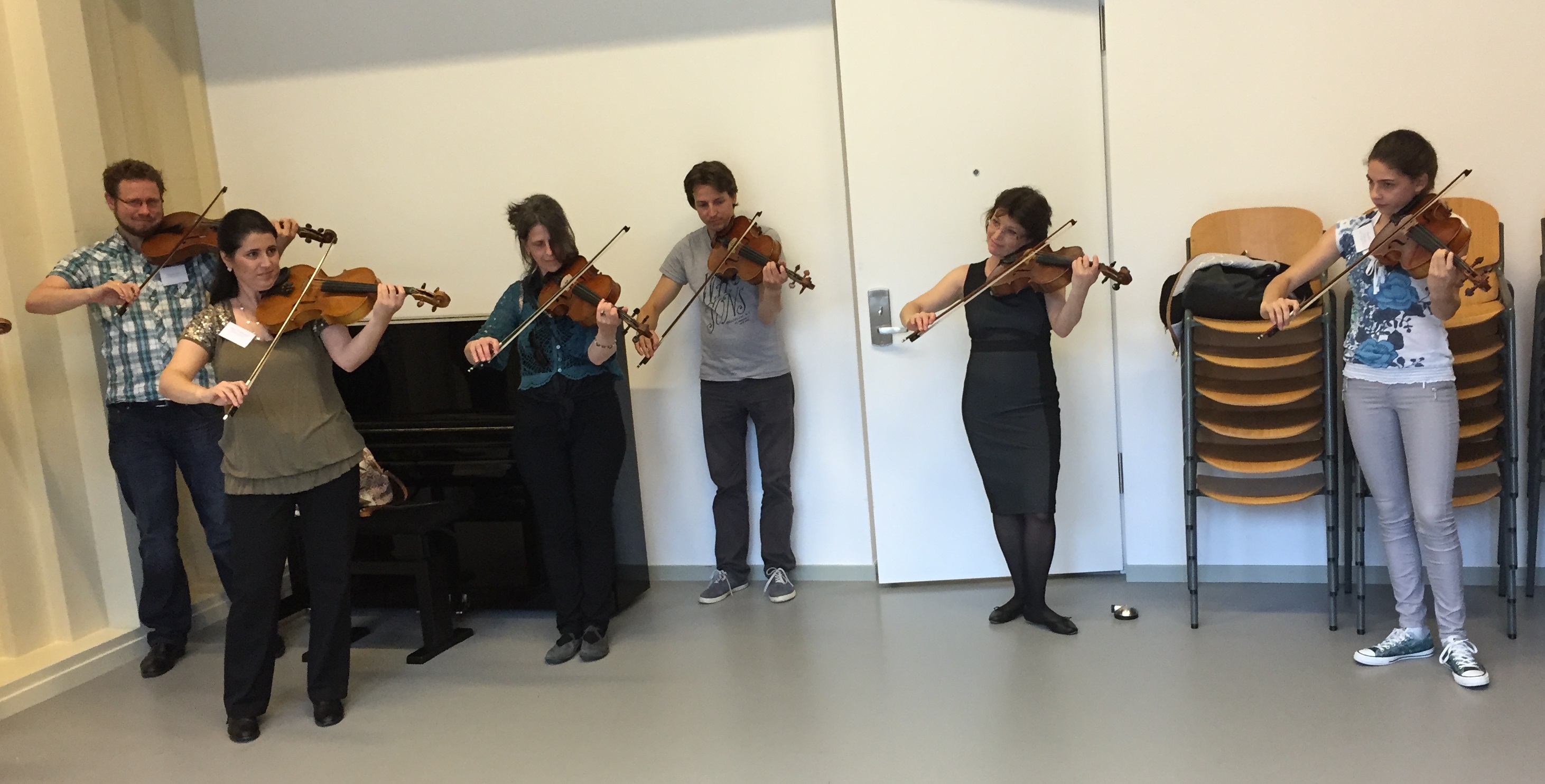 During IVC2018, a number of Workshops will be given by violists from all over the world. These are interactive group sessions of 60 minutes, with limited capacity.
You have to be fully registered as a Delegate to the congress, to qualify for Workshops. You need to bring your own viola, unless otherwise noted. No specific skill level, preparation or repertoire knowledge will be assumed, but some workshops are designed for specific audiences. Due to space limitations in the workshop studios, audience will generally not be permitted.
To participate in an IVC2018 Workshop, you have to do the following:
- Register for the Congress as (Young) Delegate, if you haven’t already done so. This in turn requires:
- to be a 2018 certified member of an IVS-affiliated Viola Society
(or buy a Dutch Viola Society membership upon registration) - to buy at least one Full Day Pass (congress admission for the day of your assigned workshop). A Week Pass is obviously fine, too. 🙂
- to be a 2018 certified member of an IVS-affiliated Viola Society
- Read the Workshop offerings below. Make up your mind about which 3 workshops you would be most interested in.
- Submit the IVC2018 Workshop Sign-up Form (online as of October 15th).
Make sure to be aware of and report any schedule constraints. If you are a Presenter or a Masterclass student, there could be some mornings you’re not available. - You will be notified (by e-mail) of the Workshop for which you have been assigned, after November 15th.
Note the following ground rules:
- Sign-up starts October 15th, and closes on November
15th19th. - We cannot guarantee a Workshop placement for everyone who signs up!
- At most one Workshop placement will actually be assigned to you, unless there are fewer applicants than spaces at the November 15th closure date.
- Placements are (in general) awarded on a first-come, first-serve basis.
- Students who have unsuccessfully applied for a Masterclass, will receive priority for workshop placement (we know who you are!)
- If you cannot attend the workshop you were assigned to (due to constraints not indicated in the form), the IVC is not obliged to offer you an alternative.
- In case your workshop should get cancelled for whatever reason, the IVC is not obliged to arrange a replacement workshop, nor are you entitled to any refunds.
 Registered Delegates can now sign up for Workshop participation (using this button –>).
Overview of Workshop Offerings IVC2018:

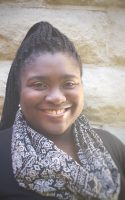

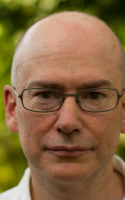
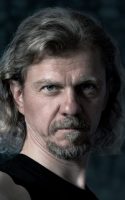

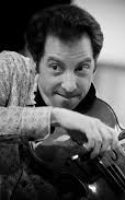
Click on the arrows below to unfold information about each Workshop and the teacher.
 Target group: Students and professional violists
Maximum capacity: 10; two sessions
Date: Thursday 22/11, 09:00h and 10:00h
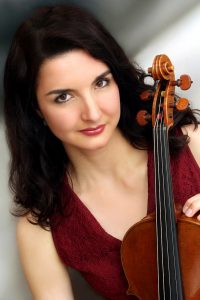
Daphne Gerling explains the principles behind the bowing techniques taught by the late American pedagogue Karen Tuttle, emphasizing the physical comfort of playing.
In this interactive workshop we will explore the relationship between the breath, posture, balance, and weight in the motions of viola playing. We will investigate how each of these elements can help us produce the most beautiful sound and greatest sense of ease and connection in our playing. Specific concepts will be divided into three sections:
Supporting the Stance and the core of the body through breath, spinal alignment, and balance of the head. The core concept in this section is the neck release and awareness of the occypital joint.
Right hand motions: how do we create the smoothest bow changes at the frog and tip? What awareness is needed for success with different strokes? How do we calibrate those motions throughout our body?
Left hand positioning and rebalance: What creates healthy, accurate finger action? How do I anchor and rebalance my hand? How can my thumb and fourth finger be comfortable, and in tune? How do my wrist, forearm and elbow support my motions?
The workshop will be offered twice to allow for an in-depth focus on each section.
Come play, discover and explore together!
Target group: Students and professional violists
Maximum capacity: 15; two sessions
Date: Wednesday 21/11, 09:00h; and Friday 23/11, 10:00h

In this workshop, Lanzilotti will demonstrate first how timbre can be used to show structure, and the importance of focused and dedicated practice of extended techniques. Following that, the idea of weight, bow speed, and contact point as the foundation for sound production on the viola will be explored with participants in the workshop. The participants will be able to experiment with the sounds in the workshop, and thereby get experience finding their own balance of the various techniques.
 Target group: All violists
Maximum capacity: 20
Date: Saturday 24/11, 09:00h
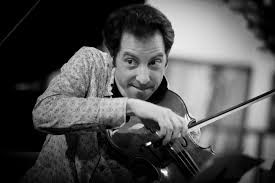
Oene van Geel is a leading Dutch composer, and jazz musician. The viola is his signature instrument.
Target group: Amateurs, students, teachers
Maximum capacity: 20
Date: Saturday 24/11, 09:00h
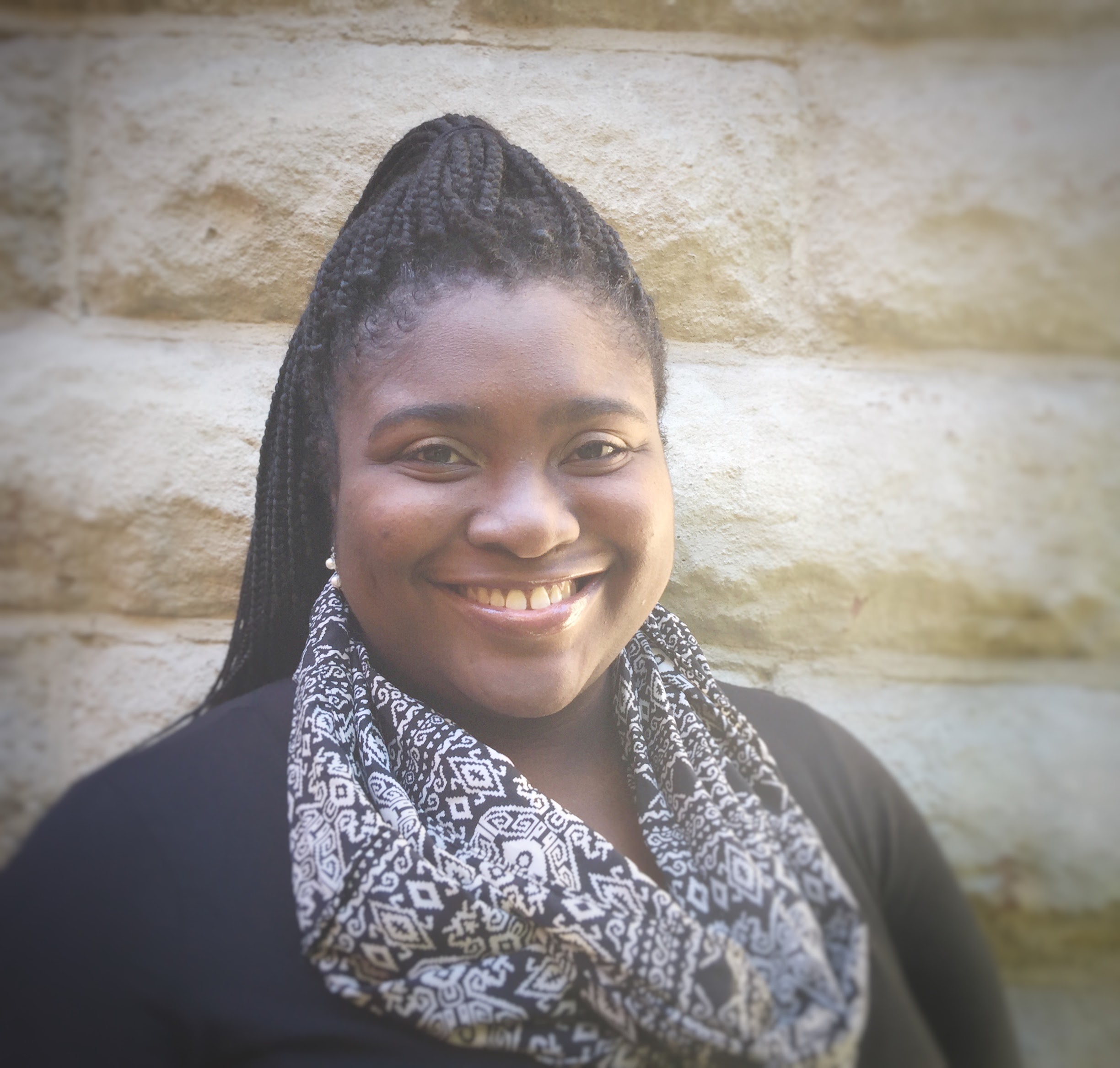 Surprisingly, there are teachers who don’t have a method when teaching vibrato. William Primrose stated: “I don’t think I would ever have claimed to teach vibrato, and I don’t recall having been taught it. I simply started vibrating”. Every student needs a personalized approach when learning a given skill on the viola. This workshop will provide students and teachers with new information on how to build a beautiful vibrato from the ground up.
Target group: Open
 Maximum capacity: 20, with instruments
Date: Wednesday 21/11, 10:00h
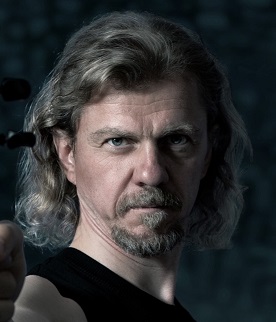
In this workshop, I investigate a method how to explore a ”defined pole of notes” ( i.e a certain scale) together with the group. The participant doesn´t need to have any kind of experience of improvising. We are just trying some ideas out of creating simple phrases. First melody, then rythm, basically using a ”call and response” framework. The method is quite fun to do. Creating curiosity rather than ”achieve results” is the main purpose.
 Target group: Students
Maximum capacity: 30; 2 sessions; no instrument
Date: Friday 23/11, 10:00h and 11:00h
Topics to be addressed:
- What is musical entrepreneurship?
- How does entrepreneurship relate specifically to violists embarking on careers?
- How do participants define their ideal musical world?
- How does this world view correlate to the participants’ mission?
- How can we write/articulate a personal mission? How do we reach this understanding?
- Define your audience
- How to consider new vehicles to advance your musical ideas
- Ways and means to brainstorm with likeminded musicians
- Tips as to how to approach traditional career moves such as orchestral auditions
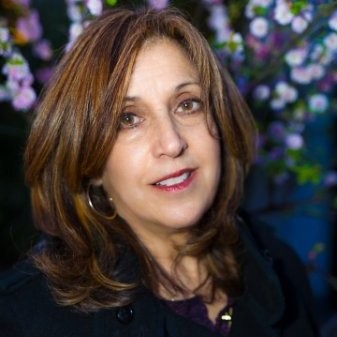
Combining academic disciplines with music performance and journalism at the professional level, Heather has performed with leading orchestras in the Netherlands and at international summer music festivals. At present, she is a lecturer at the University of Amsterdam Law School, performs internationally (orchestral violinist) and serves as panelist at conferences on labor law and music worldwide. Starting her journalistic career at the Yale Daily News, she served as Corresponding Editor and correspondent at Strad Magazine (London) for over two decades. She is an active blogger @violinist.com and a welcome lecturer/panelist/juror at music competitions and festivals in Europe and the United States. A graduate of Yale University and the University of Amsterdam Law School, Heather’s present research centers on comparative employment/labor law issues in the orchestral field.
Target group: Amateurs and professionals
Maximum capacity: 15, two sessions
Date: Wednesday 21/11, 10:00h, and Thursday 22/11, 10:00h
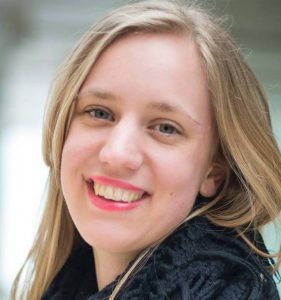 In this workshop, participants learn the basics of the Resonance Training for musicians (originally ‘Resonanzlehre’). Resonance Training is a musical sound body practice to enhance quality of sound, freedom of movement and richness of emotional expression. Quality of sound means that the musician creates the sound quality s/he wishes to appear in the room. Freedom of movement means lightness in the movement and full ability for the musician to respond and react to the sound as it is. Richness of emotional expression means that how the musician feels the music is fully represented in the sound waves at the ears of the listeners. The key sentence of Resonance Training is: “The more resonant the sound, the freer the musical movement.”
Target group: All violists
Maximum capacity: 20
Date: Saturday 24/11, 10:00h
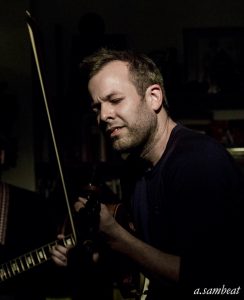 The viola can serve as an excellent plucked instrument. Initially we will work on how to play the viola as a ‘guitar’: how to make the viola sound like a west-African harp or like a chord instrument for accompaniment. The main focus is on finger-plucking (rhythmic patterns), orientation on chord progressions, different string tunings. We hope that participants discover a whole new function and sound spectrum in their instrument. In the second half we will spend time on creating extended colours and textures on the viola. For example with the use of the human voice singing along in intervals and unison with the bowed viola. Special techniques such as the ‘chop’ and Garth Knox’ ‘circular bowing’ will be treated as well. This will create a sense for sound-scapes. The goal is to have learned the structure of a given (well-known) composition by the end of the workshop. We will give some of the participants different musical functions within the composition, in order to create rhythmic and harmonic polyphony. We will then encourage some participants to improvise on the chord progression of the composition. In the end we will play the composition in its entirety: plucked accompaniment with sound effects and improvisations. It is about playing and creating together, without sheet music, purely auditive. This way the participants train their ears: listening to what is really sounding and reacting to what they hear.
 Target group: All violists
Maximum capacity: 20; 2 sessions
Date: Thu 22/11 and Sat 24/11
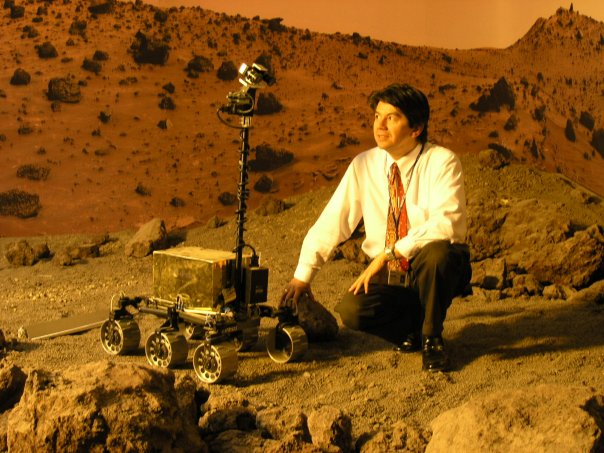
Interactive workshop session to stimulate the participants (musicians!) to think and develop ideas or musical projects inspired by space and the Moon.
A series of Artscience projects have been developed such as organising concerts, global performances in space facilities, giving musical performance with space sounds or visuals in congresses, developing musical content for a miniaturised gallery that can be sent to space or to the Moon.
Moderator: Prof Bernard Foing, senior space scientist at the European Space Agency (ESA), MoonMars explorer. He has studied viola and chamber music with Kristos Michalakakos, Pierre Pasquier and Simone Feyrabend, played in various chamber music groups (including now ESTEC Space Strings) and orchestras, and produced number of concerts and artscience events.
Target group: Amateurs and professionals
Maximum capacity: 20, with instruments
Date: Friday 23/11, 09:00h
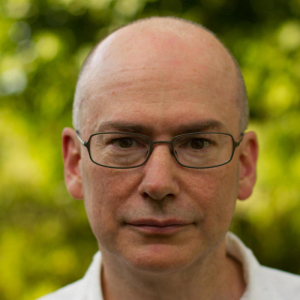
There are similarities between scale methodologies used in classical string training, and methodologies used for training in improvisation. This workshop will give participants a taste of what is involved in learning improvisation, through adapting traditional scale and arpeggio exercises to standard improvisational techniques.